



Planning your first event
Organising an event for the first time can feel overwhelming, but with a strategic plan you can create an unforgettable experience. In this article, you will find 10 tips to help you successfully plan your first event.
Define the purpose of your event
Initially, it is crucial to clarify the purpose of your event. Ask yourself why you want to organise this event and what you hope to achieve. Having a clear purpose is fundamental to the whole planning process. This could be to
- increase awareness of your brand
- launch a new product
- build relationships with customers
- network with industry peers.
By defining the purpose, you can also set up specific KPIs (key performance indicators) that will allow you to measure the success of the event afterwards. These KPIs can include the number of participants, engagement levels or sales figures related to the event. Having these goals in mind from the start will help you optimise the planning and execution of the event.
2. Know your target audience
Understanding your target audience is one of the most critical aspects of event planning. Thoroughly analyse who your participants are, their interests, needs and expectations. By gathering information about your target audience, you can tailor the event to really appeal to them. Consider factors such as:
- age
- professional background
- previous experience with similar events.
The more you know about your target audience, the better you can adapt the content, format and promotion of the event to maximise participation and engagement.

3. develop an operational plan
Once the purpose and target audience are defined, it is time to create a detailed operational plan. This plan should include specific steps for how, when and by whom all elements of the event will be implemented. Include
- timelines for key activities
- persons responsible for different tasks
- a list of resources needed.
It is important that this plan is flexible and can be adjusted during the planning process. By having a structured plan, you can ensure that everyone involved knows what is expected of them and that you are working towards the same goal. Regular check-ins with the team can also help keep everyone on track.
4. Choose a suitable venue
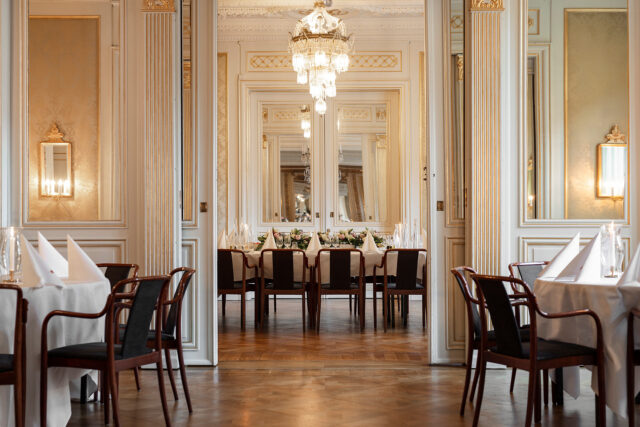
The choice of venue is crucial to the success of your event. The venue should not only be large enough to accommodate all participants, but also have the right atmosphere and facilities for your specific event. IVA Conference Centre is an excellent option with modern premises and central location in Stockholm. Consider accessibility for participants, technical requirements such as audio and video, and any catering needs.
Book the venue well in advance and make sure you have a clear understanding of the costs, so you can plan the budget accordingly. A well-chosen venue contributes to a positive experience for participants and can influence their impression of the event.
5. Set a suitable date
Choosing the right date for your event is a critical factor in maximising participation. Avoid scheduling the event during weekends or public holidays, when many people may be away. Carefully analyse potential clashes with other major events, especially in your industry.
It may also be worth considering seasonal factors and how these may affect participants' availability. By choosing an optimal date, you can increase the chances of higher attendance and engagement.
6. Book main attractions
One of the most effective ways to draw an audience to your event is to book interesting and relevant headliners, such as famous speakers or entertainers. Think about what kind of speaker or performer would resonate best with your target audience and can help create a memorable experience.
If you are organising a business conference, consider topical themes and relevant issues that engage participants. Having a well-known speaker can also increase interest and attract more participants, as long as it is within your budget. Make sure to communicate these attractions clearly in your marketing to maximise interest.
7. create an engaging programme
Once you have booked your main attractions, it's time to put together a programme that will keep participants' interest. Plan the programme so that it includes a mix of
- presentations
- panel discussions
- workshops
- networking opportunities.
Remember to allow enough time for breaks, so that participants can reflect on what they have learnt and interact with each other. Creating a balance between informative and entertaining elements can help keep the energy up throughout the event. Also, make sure that the programme is clearly communicated to participants in advance, so that they know what to expect.
8. Promote your event
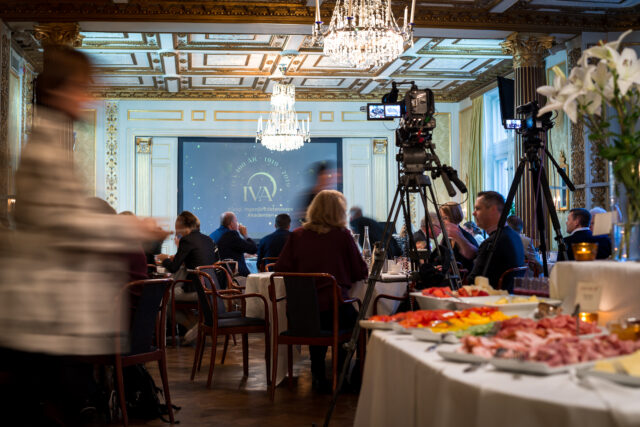
An effective marketing strategy is crucial to get people to attend your event. An active marketing campaign can make a big difference to the number of participants and the atmosphere of the event. For example, you can:
- Using a variety of channels to reach your target audience, including
- social media
- e-mailing
- press releases.
- Create engaging content that captures interest and encourages sign-ups.
- Consider creating a unique hashtag for your event to increase online visibility and engagement.
- Encourage participants to share their experiences and photos on social media.
9. Engaging sponsors
Involving sponsors can add an extra dimension to your event and help finance the costs. Decide how you want to work with sponsors and what types of sponsorship packages you can offer. Should they sponsor specific programme items, or perhaps a mingle?
Think about which companies would benefit from being visible at your event and start contacting potential sponsors well in advance. A clear and professional presentation of what you offer can increase the chances of getting sponsors to commit.
10. Evaluate and collect feedback
After the event, it is important to evaluate its success and collect feedback from participants. Create a survey or questionnaire to get insights on what worked well and what can be improved for next time. Analysing feedback can provide valuable insights and help you optimise future events. Discuss the results with your team and identify areas for improvement. By learning from each event, you can constantly evolve and create even more successful events in the future.
By following these detailed steps and using resources like the IVA Conference Centre, you can plan and execute a memorable and successful first event. Remember, every detail counts, so plan carefully and have fun in the process!
Need help planning your first event? You are very welcome to contact us at the IVA Conference Centre - we are happy to help!
Common questions about parties and events
We've had stand-ups, live bands, opera singers, children's choirs and lots of other fun.
We do not have VIP areas, but are happy to offer a small conference room for special guests.
Flags, roll ups and other merchandise can be used to decorate the room. We adapt the furniture in the room to your wishes, as far as possible.
Our regular evening hours are no later than 01.00 with last dance/order 00.30.
For an additional fee, we can postpone the time to 02.00.