



How to plan a conference? A complete guide for 2026
The planning of a conference combines creativity with structure. It's about creating a context where people meet, knowledge is shared and ideas have space to develop. At the same time, clear frameworks, good foresight and considered choices along the way are needed.
In this guide, we will go through the entire process step by step, from the initial thoughts on purpose and goals to implementation, follow-up, and lessons learned.
Start with purpose and objectives
A conference without a clear purpose often becomes chaotic. Ask questions such as:
- What do we want to achieve with the conference?
- What experiences or insights should the participants take away?
- What feeling or energy do we want to create?
When the purpose is clear, it becomes easier to make decisions regarding theme, content, and format.

Create a realistic timeline
Planning well in advance provides security for both you and the participants. A simple timeline might look like this:
- 6 months prior: define purpose, goals, and budget. Begin to sketch ideas for venue and date.
- 3–6 months before: confirm venue, book speakers and suppliers. Commence communication with attendees.
- 1–3 months before: final agenda, technical testing, and practical details.
- The week before: going over everything from registration to technology and food.
- Conference day: implementation and ongoing adjustments as needed.
- After the conference: evaluate, gather feedback and document lessons learned.
Set a clear budget
The budget guides many decisions during planning. Include costs for:
- Local and technology
- Food and drink
- Transport and accommodation
- Speakers and moderators
- Printed materials and digital resources
Tips! Feel free to add a buffer of 10–15 percent for unforeseen expenses.
Design an engaging agenda
An agenda that combines lectures, workshops, and breaks keeps participants active. Some tips:
- Vary the format: lectures, panels, interactive exercises, and group discussions.
- Breaks are important: allow time for networking and reflection.
- Clear objectives for each session: participants should know what they will take away.
- Flexibility: Leave room for spontaneous conversations and questions.

Choose the right venue
The venue affects both atmosphere and logistics. Consider:
- Capacity: allow for the number of participants plus a little extra space.
- Layout: adapt seating and technology as needed.
- Accessibility: proximity to transport and accommodation makes it easier for participants.
- Service: technical support, catering and staffing can simplify execution.
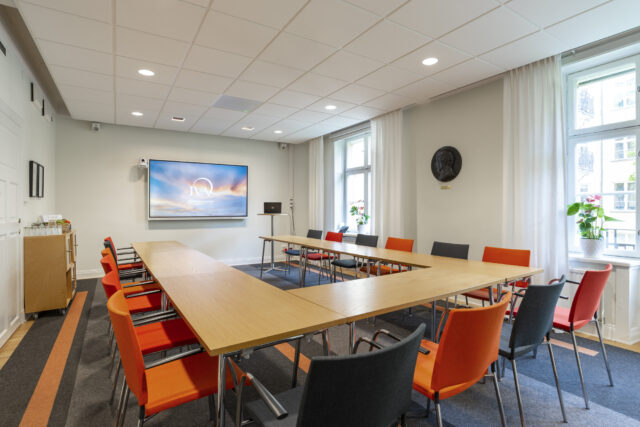
At IVA Conference Centre, we offer several flexible premises which suits both smaller meetings and larger conferences. For food and drink, our partner Restaurant Grodan deliver meals and refreshment breaks tailored to the conference schedule, contributing to a smooth and pleasant experience for all participants.
Think of the technology
Digital solutions can enhance the experience, but work best if they are tested beforehand. Common aspects include:
- Sound and image: ensure microphones, projector, and streaming capabilities.
- Digital participant management: registrations, reminders and programmes.
- Interactivity: Tools for polls, Q&A and feedback.
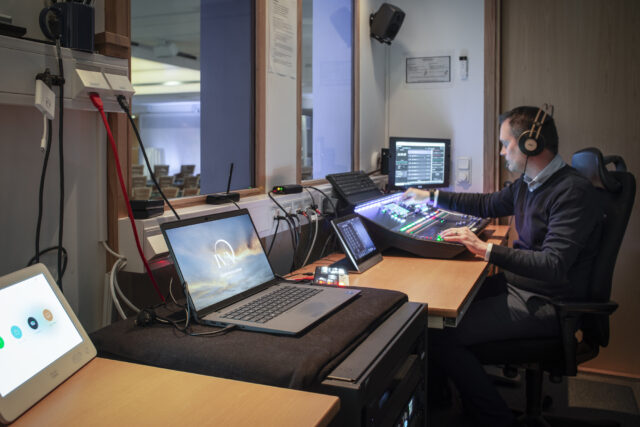
At IVA Conference Centre, we offer technical support and modern conference technology for those who wish it. Staff are on hand to ensure that everything runs smoothly throughout the event.
Prepare a checklist for the day
To reduce stress at the conference itself, you can follow a simple checklist:
- Confirm that the technology works.
- Check that all speakers are in place.
- Go through the agenda with the staff.
- Ensure registration and signage are functional.
- Have a contingency plan for unexpected situations.
Follow-up and lessons learned
Once the conference has concluded, it's valuable to reflect on how everything went and what can be done better next time. To make this as easy as possible, you can keep in mind that:
- Gather participant feedback, what worked well and what can be improved?
- Document key insights through presentations, visuals, and notes.
- Follow up with speakers and participants to build relationships.
- Set goals for the next conference, what improvements do you want to make?
Concluding advice for a successful conference
Planning a conference is about balancing structure and creativity, content and experience. By following a clear process, you can create an event that both inspires and delivers tangible results – and leaves participants energised and full of new ideas.
Common questions about planning a conference
Det första steget i konferensplanering är att definiera konferensens syfte och mål.
The first step is to define the purpose, objectives, and target audience for the conference. At the same time, it is good to have budget frameworks in place, so that planning can be based on realistic conditions.
How far in advance should one plan a conference?
It is advisable to plan 2–6 months in advance, depending on the size of the conference and venue availability.
How do you set objectives for a conference?
The goals should be clear, measurable, and linked to the organisation's needs, so that the conference can deliver tangible results.
How many participants should one plan for?
The number of participants is controlled by the goals of the conference and the type of activity. A workshop, for example, requires fewer participants than a lecture.
How long should a conference be?
A conference usually lasts between 3–7 hours, depending on its purpose and programme content.
What should be included in a conference agenda?
A conference agenda should include timeframes, speakers, breaks, activities, and clear objectives for each block.
How do you choose a date for a conference?
Choose a date that does not clash with holidays, public holidays, or the industry's busiest periods. Preferably avoid Mondays and Fridays for participants travelling in.
How do you communicate with participants before the event?
Send out the agenda, practical information, dress code, and any preparations well in advance of the conference. Smooth event apps can also be used to gather all information digitally, send reminders, and facilitate interaction during the conference, allowing participants to arrive well-prepared and fully engaged.
How do you evaluate the conference afterwards?
Collect feedback via forms, data from participants, and follow-up meetings. Event apps usually offer the ability to gather evaluations quickly and smoothly.
Vad som gör en konferens lyckad beror på en rad faktorer som samverkar för att skapa en positiv och givande upplevelse för alla deltagare. Här är några av de viktigaste elementen: **1. Tydligt Syfte och Mål:** * **Relevans:** Konferensens ämne måste vara relevant för målgruppen och adressera aktuella utmaningar, trender eller möjligheter inom det relevanta fältet. * **Tydliga Lärandemål:** Deltagarna bör veta vad de förväntas lära sig eller uppnå genom att delta. **2. Huvudtalare och Sessioner av Hög Kvalitet:** * **Engagerande Talare:** Välj talare som är experter inom sina områden, har förmågan att kommunicera intressant och engagerande, och kan inspirera publiken. * **Varierat Innehåll:** Erbjud en blandning av föreläsningar, workshops, paneler och interaktiva sessioner för att tillgodose olika lärstilar och intressen. * **Praktiskt Tillämpbar Kunskap:** Sessionerna bör erbjuda konkreta insikter och verktyg som deltagarna kan använda i sitt arbete. **3. Nätverksmöjligheter:** * **Strukturerade Aktiviteter:** Ordna organiserade nätverksmöjligheter som mingel, luncher, middagar eller specifika nätverkssessioner. * **Ostrukturerade Möten:** Skapa utrymmen och tid där deltagarna spontant kan mötas och samtala. * **En Katalysator för Samarbeten:** En lyckad konferens kan leda till nya samarbeten och projekt. **4. Logistik och Organisation:** * **Väl vald Plats:** En tillgänglig och trevlig lokal som motsvarar deltagarnas behov (t.ex. tillräckligt med utrymme, bra teknisk utrustning, bekvämligheter). * **Effektiv Registrering:** En smidig och enkel registreringsprocess. * **Bra Tidsplanering:** En realistisk och väl genomförd tidtabell som inte känns stressig men ändå effektiv. * **Teknisk Support:** Fungerande ljud, bild och internetuppkoppling är avgörande. **5. Atmosfär och Deltagarupplevelse:** * **Välkomnande Miljö:** Skapa en inbjudande och inkluderande atmosfär där alla känner sig välkomna. * **Möjligheter till Interaktion:** Uppmuntra frågor, diskussioner och feedback från deltagarna. * **Balans mellan Arbete och Fritid:** En bra balans mellan intensiva sessioner och möjligheter till avkoppling eller socialt umgänge. * **God Mat och Dryck:** Högkvalitativ och tilltalande servering bidrar till en positiv helhetsupplevelse. **6. Uppföljning och Utvärdering:** * **Möjlighet att Dela Material:** Tillhandahåll presentationer eller annat material från sessionerna efter konferensen. * **Insamling av Feedback:** Samla in deltagarnas åsikter genom enkäter för att identifiera vad som fungerade bra och vad som kan förbättras till framtida evenemang. * **Ett Långsiktigt Värde:** En lyckad konferens ger inte bara värde under själva evenemanget, utan fortsätter att ge resultat i form av ny kunskap och nya relationer. Sammanfattningsvis är en lyckad konferens inte bara en samling föreläsningar, utan en välplanerad och engagerande upplevelse som ger deltagarna värdefull kunskap, inspirerar till nya idéer och skapar meningsfulla kontakter.
A successful conference is built on meticulous planning, a clear purpose, the right venue, and engaging content. Good logistics, interesting speakers for the target audience, a balanced pace in the programme, and functioning technology also contribute to participants having a positive and memorable experience.

Vanliga frågor om konferensplanering
Of course, you can book several days for a meeting. Either consecutively or on different occasions.
We usually invoice after the event has taken place. For larger events, an advance invoice can be issued that covers at least the room hire.
Read more about how to book a conference with us here.
Technology is a challenge, and despite testing and review, something can still put a spanner in the works. However, we dare to promise that we have very good resources to solve any problems that may arise. With our own technicians and an ongoing review of all conference rooms, meeting rooms and auditoriums, etc., we are well equipped.
We always do our utmost to ensure that bookers and speakers feel confident during the event. At IVA Conference Centre, we are technically prepared to meet the various requirements that arise at a meeting or conference.
Read more about the conference technology at IVA Conference Centre